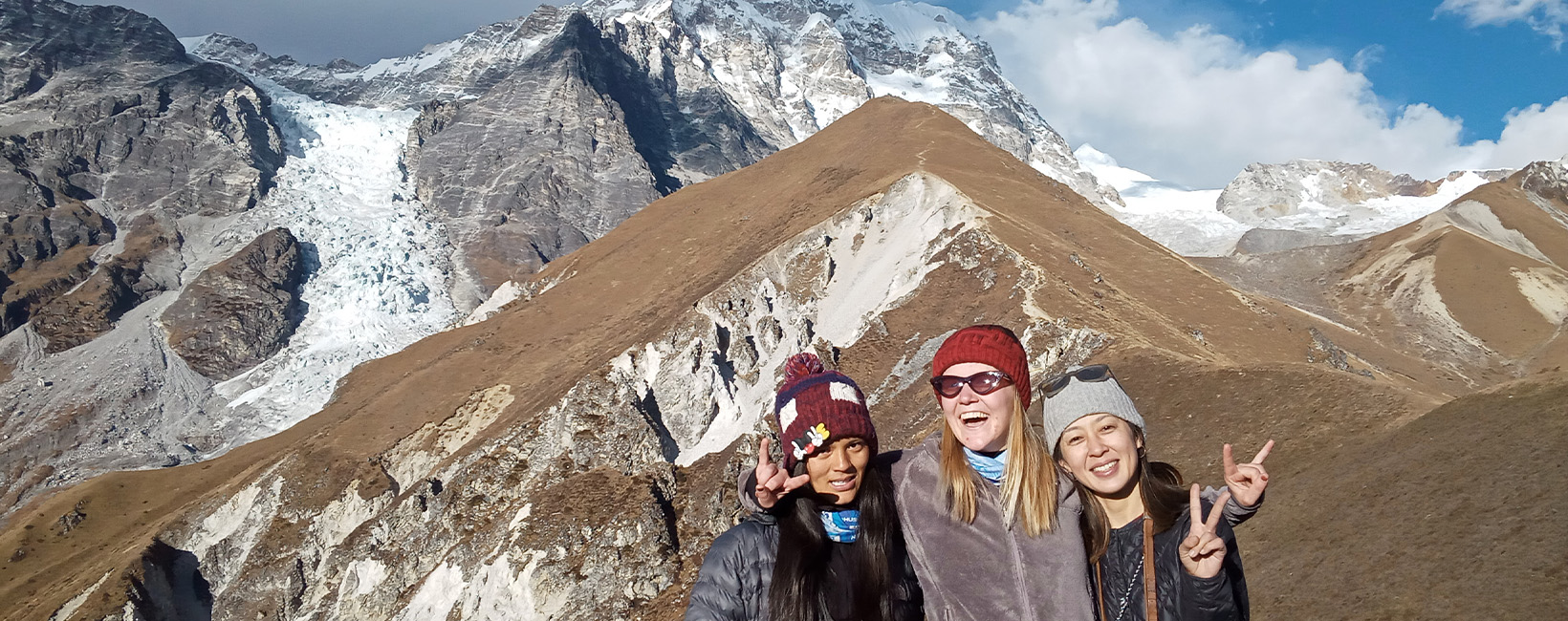
Role of Langtang National Park in the conservation of Langtang region
Introduction
It was established in 1976 to conserve the unique flora and fauna of the region. It is the nearest national park of the capital Kathmandu in the Central Himalayan Region. The 1710 sq. km. of the park extends over parts of Nuwakot, Rasuwa, and Sindhupalchok districts in the southern mountainous terrain of the Nepal-China (Tibet) border. In 1998 an area of 420 sq. km in and around the park was declared as a buffer zone. The park represents a meeting point between indo-Malayan and Palearctic realms and holds a rich biodiversity. Buffer zone management is a joint venture between the park office and the local communities. Local communities have a decision-making role in the management of such areas. Additionally, the local communities or the BZ receive 30 to 50 % of the park revenue for the better management of natural resources to ensure a sustainable supply of resources and community development.
Flora & Fauna Found
The flora in the Langtang region is exceptionally beautiful. The park is forested in about a quarter of its area. The most common types of trees are oak, maple, as well as evergreens like pine and rhododendrons. Sub-tropical vegetation characterized by Sal (Shorea robusta) forest in the southern section of the park is gradually taken over by hill forest (2000-2600m) consisting of Chirpine, Rhododendron, and Nepalese alder. Throughout these zones different species of Rhododendron such as R. arboretum, R. barbatum, R. campanulatum, and R. lepidotum (scrubs) to name a few, form a colorful understory. Tree species such as birch, silver fir, Sorbus microphylla, and twisted Rhododendron Campanulatum are found near the tree line. It is here at 4000m Juniper and Rhododendron shrubs (R. anthopogon) slowly dissolve into expansive alpine grassland meadows
The park is also well known for its populations of the red panda, Himalayan black bear, the goat-like Himalayan tahr, Assam macaque snow leopard, wild dog, ghoral, serow, and more than 250 species of birds. Langtang's expensive high meadows provide summer habitat for numerous ungulate species such as musk deer. The Himalayan black bear is a subspecies of the Asian black bear found in the Himalayas. The Himalayan tahr is a large even-toed creature native to the Himalayas. It is listed as Near Threatened on the IUCN Red List, the population is declining due to hunting and habitat loss. The gorals are small ungulates with a goat-like or antelope-like appearance. The serows are four species of medium-sized goat-like or antelope-like mammals.
Tourism Activities
The Langtang region is less well-known than the Annapurna and Everest treks. However, the lack of popularity definitely is not a signifier for the region's immense beauty and culture. It is also close to Kathmandu, it has a lot of beautiful scenery, you can go into the high mountains in a couple of days.There are many tours that visitors can take throughout the region. One of these tours include bus tours. These tours can take visitors on multiple day treks throughout Langtang valley. Some bus tours can also take visitors to Gosaikunda lake, the Panch Pokhari trek, and the Jugal Himal Panorama trek. The Gosainkunda lakes located in this area are considered sacred to HIndus. Gosaikunda is an alpine freshwater oligotrophic lake, located at an elevation of 4,380 meters and a surface of 34 acres. The Gosaikunda Lake complex was made a Ramsar site. These bus tours and treks can take from 8-20 days. These bus tours are a great way to explore the nature and wildlife in the Langtang national park and get a good workout through the hiking that the trek requires. Tourists can also visit monasteries in the Langtang region to become better acquainted with it’s rich culture. Some monasteries that can be visited would be, the Ukla monastery, the Mende monastery, the Thamo monastery, the Thame monastery, the Khumjung monastery, the Pangboche monastery, and the Tengboche monastery.
Conservation Efforts
The Langtang National Park and Buffer Zone Support Project is a new WWF Nepal project that was inaugurated on February 26, 2007. The project's main purpose is to protect biodiversity, improve livelihood possibilities, and preserve unique cultures and traditions in Langtang National Park and the Buffer Zone through integrated land, forest, and water resource management.
Problems in Langtang Region
The 2015 earthquake resulted in the destruction of the Langtang village and 310 deaths. 4,500 people still reside in the Langtang national park and rely on the park's natural resources. The settlement of Langtang was mostly buried by a 1km wide landslide that originated from the glacier and snowfields on the northwestern slopes above the hamlet. Almost all of the village's structures had been demolished, and nearly all of the shelters had been destroyed. Langtang National Park and Buffer Zone Support Project is a new project initiated by WWF Nepal.The primary goal of the project is to conserve biodiversity, enhance livelihoods opportunities and sustain diverse cultures and traditions by integrated management of land, forest and water resources in Langtang National Park and Buffer Zone. This project will continue to help repair the damage left by the earthquake and help prevent future problems. “The project will emphasize on the sustainable community management of the forest through community forest and the proper management of rangeland through highlander rangeland communities. The project will initiate major activities on snow leopard and red panda conservation and will support improve livelihoods of LNPBZ communities through eco-tourism and community based management of non-timber forest products/medicinal and aromatic plants.”
Author: Anoja Rai
Recent Posts
- Kickstart Your Business Career with an Internship in Nepal
- Easy Arrival in Nepal with Gap Year Nepal: Start Your Journey with Confidence
- Taking a Sabbatical Break in Nepal with Gap Year Nepal: A Journey Back to Yourself
- Conquer the Majestic Langtang: A 7-Day Trek Through Nepal's Stunning Wilderness
- 7 Essential Tips for Choosing the Perfect Gap Year Program in Nepal
- Should I Go to University or Take a Gap Year? A Complete Guide to Making the Right Decision
- How to Choose a More Sustainable Travel Kit for Your Gap Year
Categories
Tags
Associated With


Audited By

