
Agriculture Sustainable Development Internship
Program Overview
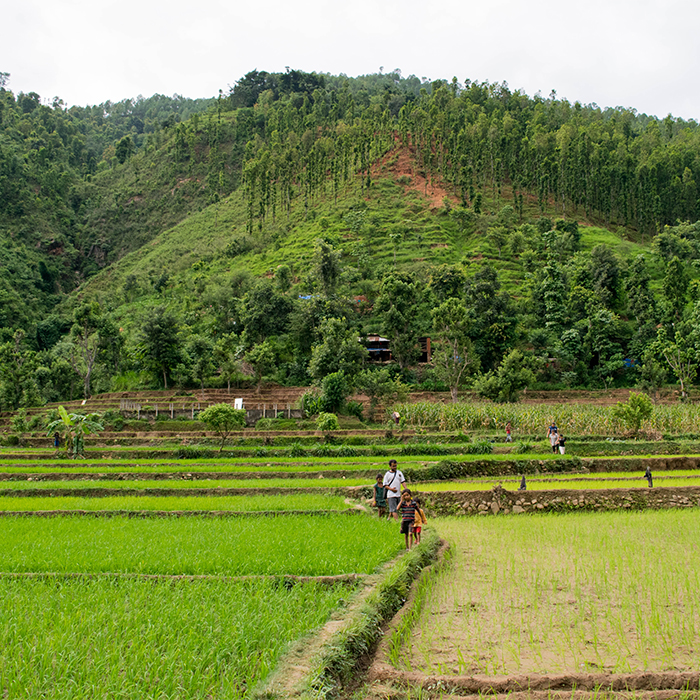
Nepal’s economy is based primarily on agriculture. However, many farmers still rely on older, traditional farming methods which greatly reduce the efficiency of food production. Because of this, there is an urgent need to promote sustainable agriculture and economic development. Interns will be working with project supervisors to meet this need by increasing participation, promoting market-oriented production systems, increasing the bargaining power of the farmers, supplementing the existing service delivery system, and facilitating the implementation of the government programs.
Along with supporting the agricultural industry, interns will also learn about sustainability regarding waste management, deforestation, and climate change. Students will have a plethora of hands-on experiences, from developing project concepts to conducting research to compiling relevant information and data. Students will present practical solutions to current environmental issues at the end of the four weeks. Please note that you can modify and tailor the length of the programs to your liking; for a more impactful experience, we recommend a minimum of twelve weeks. However, if you have a time limitation, you may consider the four-week program instead.
Program Itinerary
Week 1
We will be picking you up from Tribhuvan International Airport in Kathmandu and driving you to your hotel. After two days, you will be transported to live either with a host family or in a volunteer house. During the first week, you will be participating in several orientation programs and tours to familiarize yourself with Nepali culture and adapting to a new work environment. You will be able to meet your team of interns and begin building strong connections with them and your project leaders., which will facilitate your stay in Nepal.
- Arrival and transport to housing accomodations
- Orientation: Culture, History and basic conversational and medical Nepali language class
- Walking tour in the heart of Kathmandu, the capital of Nepal
- Guided tour of the hospital
- Team building exercises with fellow interns
- Meet the project supervisor
- Get familiar with the public transit system with one of our program coordinators

Week 2
During this week, students will have the opportunity to learn more about the agricultural sector in Nepal as well as sustainable agricultural practices. From visiting our partners in local farms to learning about how the agricultural economy is organized, you will gain a comprehensive overview of the Nepali agricultural sector. During this week, you will also be discussing potential programs and projects with your team to tackle pressing problems in the agricultural industry.
- Visit farms that are partnered with Gap Year Nepal to learn the inner workings of the agricultural sector
- Attend a weekly professionalism seminar and learn about crafting a resume, cover letter, as well as interview etiquette
- Attend a weekend getaway in Kathmandu to visit famous UNESCO heritage sites around the city
Week 3
The third week will be spent studying how Nepal supports its treasured environment. As a sustainability intern, you will be serving as an assistant to a project coordinator in an ongoing sustainability initiative, learn about local and global environmental issues, and implement sustainable practices through the project. For examples of previous sustainability projects, see here:
- Attend talks from local entrepreneurs and volunteers that are spearheading the sustainability movement around Nepal
- Help identify issues in local community farms and help devise a sustainable solution
- Prepare a research project on a sustainability initiative and present to your peers
- Shadow a volunteer working on sustainable development and assist with the project they are working on
- Attend a weekend getaway to Chitwan National Park to see the beauty of Nepal’s natural environment


Week 4
During the last week, interns will spend time discussing real-world solutions to the various issues they learned about over the duration of the program. As a team, you will prepare a presentation about steps we can take to ensure a healthy environment while promoting sustainable agricultural techniques. Teams will present their solutions to the project managers and the other teams, and a guided discussion will be held to further develop critical thinking, global leadership, and entrepreneurship.
Program Details
PROGRAM AVAILABLE DATES
Every Sunday All Year Round
STARTING/ENDING POINT
Kathmandu, Nepal
LEARNING GOALS
Immerse with local, Traditional method of Agriculture
LANGUAGE REQUIREMENT
English
CLIMATE
Moderate Temperate
GROUP SIZE
Minimum 2 to maximum 8
SPACES AVAILABLE
LIMITED SPACE, Join Group
HOURS EARNED
60-80 hours
What's Included

Our Assistant
- Proper Program Information
- Pre Departure Information
- Unlimited information
- Meet with Locals
- Weekend Trips
- Cultural Immersion
- Emergency Support

Included
- Airport Pickup
- Transfer to Homestay
- Orientation and City Tour
- Accommodation with most meals
- 24/7 Support
- Organized Programs
- Guidance and Supervision

Excluded
- International Flights
- Nepal Visa Fees
- Travel/Medical Insurance
- Personal Expenses
- Lunch
- Airport Drop
- Other Tours and Events
Travel Experiences


FAQS
The 4-week Agriculture & Sustainable Development Internship Program in Nepal offers you a unique opportunity to gain hands-on experience in sustainable agriculture while contributing to the growth of rural communities. During this program, you will learn and practice organic farming, agroforestry, water conservation, and climate change adaptation. This program is perfect for anyone passionate about making a positive environmental impact and promoting community development in rural Nepal.
As an intern, you will engage in a variety of practical activities:
- Hands-on farm work: Help with planting, harvesting, composting, and maintaining organic farms using eco-friendly farming techniques.
- Sustainability workshops: Learn about sustainable farming, organic agriculture, water management, and soil health.
- Community-based projects: Work with local farmers to implement more climate-smart agriculture and share valuable knowledge about sustainable practices.
- Cultural immersion: Engage with local communities, learning about traditional farming methods and Nepali rural life.
By the end of the program, you’ll gain a deeper understanding of sustainable development and its role in transforming rural communities.
Your accommodation will be in a local homestay in a rural village. Living with a Nepali family allows you to experience Nepali culture and everyday life in a farming community. You’ll have access to basic facilities, such as clean water, electricity (though power outages are possible), and simple, nutritious meals (mainly vegetarian).
No, previous farming experience is not required. This sustainable agriculture internship is open to anyone with an interest in learning about organic farming and community development. The program is designed to support beginners, and you'll receive all the training you need. A positive attitude and enthusiasm for the environment are the most important things!
Throughout the 4-week agriculture internship, you’ll gain valuable skills, including:
- Organic farming techniques: Learn how to grow crops without harmful chemicals and use sustainable practices to improve soil health.
- Agroforestry: Understand how integrating trees into farming helps improve biodiversity and protect ecosystems.
- Water conservation: Discover methods for efficient water use and management, which is crucial for agriculture in rural areas.
- Climate change resilience: Understand how sustainable farming can help farmers cope with the impacts of climate change.
- Community development: Learn how agriculture and education can empower rural communities and improve livelihoods.
Yes! This internship is all about community engagement. You’ll work directly with local farmers to help them adopt sustainable farming practices and improve their environmental impact. Your work will focus on providing practical solutions for improving crop yields, reducing water usage, and boosting the economic resilience of farming communities.
A typical day will consist of:
- Morning: Begin with breakfast, followed by practical work on the farm, such as planting, watering, or soil conservation.
- Afternoon: Participate in training sessions or workshops on topics like organic farming, water management, and agroecology.
- Evening: Relax and reflect on the day's work, join group discussions with fellow interns, and experience cultural activities within the community.
You’ll enjoy a balanced mix of physical work, learning, and cultural immersion throughout your time in Nepal.
Yes, Nepal is generally a safe destination for travelers, and your safety is a top priority for Gap Year Nepal. You’ll receive a pre-departure briefing to prepare for your trip, and 24/7 local support will be available throughout your internship. The program includes safe transportation, accommodation, and on-the-ground assistance. We also recommend purchasing travel insurance for coverage on health and emergencies.
While Nepali is the primary language in rural Nepal, you don’t need to speak it to participate. Most of the Gap Year Nepal team speaks English, and they’ll assist with translations when necessary. However, learning a few simple Nepali phrases like "Namaste" (hello) and "Dhanyabad" (thank you) will enrich your cultural experience and help you connect with the local community.
Here’s what you’ll need to pack for your agriculture internship in Nepal:
- Comfortable clothes: Lightweight, breathable clothing for working outdoors (long sleeves and pants are recommended for sun protection).
- Sturdy shoes: Durable footwear for farm work (preferably boots or sandals).
- Sun protection: Sunscreen, sunglasses, and a wide-brimmed hat.
- Personal items: Toiletries, necessary medications, and a reusable water bottle.
- Notebook and pen: To jot down important lessons and reflections during the program.
The weather can vary, so pack both light and warm layers to stay comfortable.
Yes! Upon successful completion of the Agriculture & Sustainable Development Internship, you will receive a Certificate of Participation from Gap Year Nepal. This certificate will recognize your work in sustainable agriculture, organic farming, and community development, which can be a great addition to your resume.
To apply for this sustainable agriculture internship in Nepal, simply fill out the application form on the Gap Year Nepal website. You’ll need to submit a personal statement explaining why you’re interested in the program, along with any relevant documents like your CV or references. After submitting your application, Gap Year Nepal will get in touch with you to confirm your participation.
Yes! Gap Year Nepal offers a variety of volunteer programs and internships across different sectors, including environmental conservation, education, and community development. If you’re interested in staying longer or switching to a different program, simply ask the team during your internship, and they will assist with making arrangements.
If you need to cancel your participation in the program, please contact Gap Year Nepal as soon as possible. Cancellation fees may apply depending on when you cancel, but the team will do their best to assist you. Always refer to the program’s terms and conditions for full details.
This internship provides a life-changing opportunity to learn about sustainable agriculture, organic farming, and community empowerment while making a real impact in rural Nepal. If you're passionate about protecting the environment, helping others, and experiencing a new culture, this program is perfect for you. You’ll gain valuable skills, make new friends, and return home with memories that will last a lifetime.
Related Programs


Associated With


Audited By

