Conquer the Majestic Langtang: A 7-Day Trek Through Nepal's Stunning Wilderness
The Langtang Trek feels like a journey into another world. Imagine walking through a forest of towering bamboo and colorful rhododendron trees, the air crisp and fresh, as the sound of birds and the rustling leaves guide your way. It’s not just a trek; it’s an experience that speaks to your soul.
You’ll start in Syabrubesi, a small village where the journey feels real, raw, and full of adventure. The narrow trails take you through quiet settlements, with friendly locals greeting you along the way. As you move higher into the Langtang Valley, you'll begin to feel the sense of peace that the mountains offer. The towering peaks, the gentle streams, the untouched beauty around you — it all comes together to remind you how small, yet connected we are to nature.
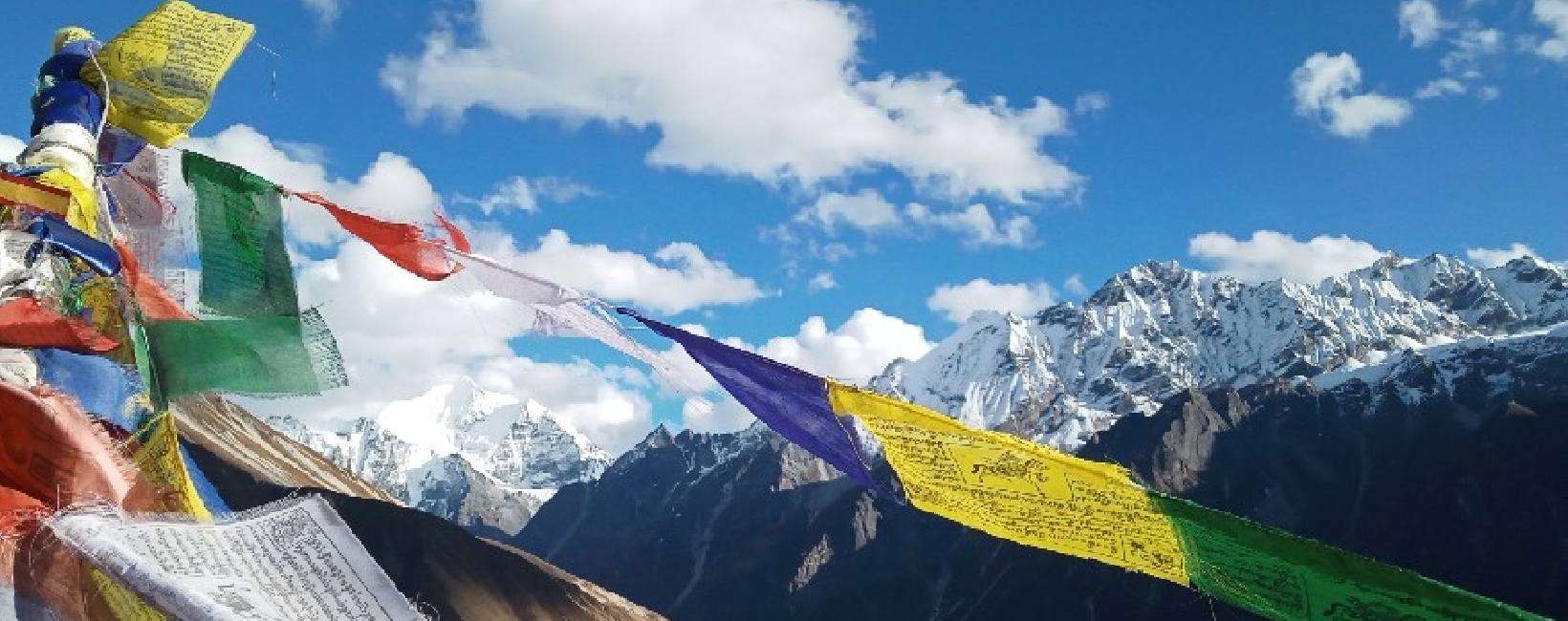
When you reach Kyanjin Gompa, a spiritual hub of the region, there's a deep sense of stillness. The monastery feels like a place where time stands still. You can hear the soft hum of monks praying, and the prayer flags flutter in the wind, carrying wishes into the sky. The mountains surrounding you are like silent guardians, and you can’t help but feel a sense of awe and gratitude for being here.
Climbing up to Tsergo Ri is another emotional high. At 5,033 meters, standing at the top and looking out over the vast, snow-capped mountains is nothing short of breathtaking. It’s a moment that fills you with a sense of accomplishment, and the beauty of the landscape is so overwhelming, it almost brings a tear to your eye.
On the way back, you’ll retrace your steps with a quiet heart, knowing that this trek has given you memories you’ll carry forever. The trek is peaceful yet challenging, spiritual yet grounded in the reality of nature. It’s the kind of experience that changes you, one step at a time.
Main Highlights of the Langtang Trek:
- Langtang National Park
- Trekking Through Beautiful Villages
- Kyanjin Gompa (3860m)
- Tsergo Ri (5033m)
- Tibetan-Buddhist Culture
- Spectacular Mountain Views
- Natural Wonders
Day 01: Drive to Syabrubesi
Your Langtang adventure begins with a scenic drive from Kathmandu (1,400 meters / 4,593 feet) to Syabrubesi (2,380 meters / 7,808 feet). The drive covers a distance of around 120 kilometers (75 miles) and takes about 7-8 hours. Along the way, you'll pass through winding roads, terraced hillsides, and small villages. The lush greenery and views of the snow-capped peaks will keep you in awe as the landscape shifts from Kathmandu’s bustling valley to more tranquil, rural surroundings.
As you travel, you'll also see rivers, white-water rapids, and picturesque settlements nestled in the hills. The road may be bumpy at times, but the scenic views make every moment worthwhile.
Upon reaching Syabrubesi, you'll feel a sense of calm. This small village is the gateway to the Langtang region. After settling into a local lodge, take some time to explore the village, enjoy the crisp mountain air, and prepare for the exciting trek ahead.
Day 02: Trek to Lama Hotel
After breakfast, you’ll begin your trek at your own pace, heading uphill through the peaceful forests. The air is fresh, and the sounds of the forest make the journey feel calm and serene. You’ll gradually climb for about an hour, reaching Bamboo at 1,850 meters (6,068 feet), which is your stop for lunch.
Once you’ve rested and had lunch, the trail continues steeply through the bamboo forests, where the path can be challenging but rewarding. You’ll feel the rhythm of your steps as you make your way up, surrounded by the beauty of nature.
After a few more hours of trekking, you’ll reach Lama Hotel at 2,560 meters (8,396 feet), where you’ll stay for the night. It’s a small, peaceful place with a warm atmosphere, perfect for relaxing after a long day of hiking. The day may have been tiring, but the sense of accomplishment and the stunning views around you make every step worth it.
Day 03: Lama Hotel – Langtang Village
Langtang Village Altitude: 3,430 meters (11,253 feet)
Trekking Duration: 6-7 hours
Today’s trek is a beautiful journey through rhododendron and pine forests. After about three hours, you'll reach Ghoda Tabela, where you’ll stop for lunch. The area feels peaceful, and you may spot wildlife like wild goats or colorful birds.
After lunch, the trail continues for another three hours, taking you alongside the Langtang River and offering stunning views of Mt. Langtang (7,246 meters / 23,773 feet). You’ll pass Gumanchok, an old horse stable, and see yaks grazingalong the way.
As you walk, the trail crosses several water streams, and you'll notice traditional watermills and prayer wheels. The beautiful stone-paved houses in Langtang Village are typical of the Tamang culture.
Arriving in Langtang Village, you’ll be surrounded by fields of wheat, barley, and buckwheat, and the village offers a glimpse of Tibetan culture with its peaceful atmosphere. After a rewarding day of trekking, you’ll rest overnight at a local teahouse, ready for the next leg of your adventure.
Day 04: Trek to Kyanjin Gompa
Kyanjin Gompa Altitude: 3,860 meters (12,664 feet)
Trekking Duration: 5-6 hours
Today is a special day as you make your way to Kyanjin Gompa, the highest point of the trek. The journey is a steady climb through breathtaking landscapes, and with the altitude, it’s important to pace yourself and stay hydrated. The air is thinner, and you can feel the mountain’s presence with every step. You’ll pass through peaceful yak pastures, where the sight of yaks grazing in the meadows adds a sense of calm to the day.
As you continue, the views become even more magical—snow-capped peaks like Mt. Langtang and Mt. Ganchemposeem to tower over you, their beauty almost overwhelming. The path is dotted with chortens, prayer flags, and mani walls, all of which carry a sense of serenity and spirituality that makes this part of the trek feel sacred.
When you reach Kyanjin Gompa, the atmosphere is peaceful and humbling. You’ll find a small cheese factory here, where you can try some yak cheese—a delicious treat in this remote corner of the world. The monastery is surrounded by snow-covered peaks, giving it a timeless, otherworldly feel. As you explore the area, you’ll notice the quiet beauty of the Buddhist landmarks, each one adding to the sense of tranquility.
After soaking in the views and the peaceful vibes, you’ll rest at a local teahouse, feeling a deep sense of gratitude for the incredible journey you’re on. It’s a day that reminds you of the beauty of both the mountains and the quiet moments of reflection they offer.
Day 05 Hike to Tsergo Ri and Trek Down to Lama Hotel
Tsergo Ri Altitude: 5,033 meters (16,512 feet)
Lama Hotel Altitude: 2,470 meters (8,104 feet)
Trek Duration: 6-7 hours
Overnight: Lama Hotel
Today marks an exciting and challenging section of your Langtang Valley Trek with a rewarding hike to Tsergo Ri—the highest point of your journey at 5,033 meters (16,512 feet). The trek starts with a steep climb through stunning mountain landscapes, offering panoramic views of snow-capped peaks, including Langtang Lirung and Gangchenpo. This section of the trek is demanding, but the incredible vistas and sense of achievement when you reach the top will make every step worth it.
After enjoying the breathtaking views and capturing some memorable photos, you’ll descend to Lama Hotel (2,470 meters / 8,104 feet), retracing your steps along the beautiful trail. The path takes you through charming villages, lush forests, and scenic valleys, offering a peaceful atmosphere as you make your way back.
Upon reaching Lama Hotel, you’ll have successfully completed a challenging yet rewarding day of trekking. Congratulations on reaching Tsergo Ri and conquering this high-altitude climb! You’ll spend the night at a local teahouse, reflecting on the day's accomplishments and the beauty of the Langtang region.
At GAP Year Nepal, congratulations on reaching Tsergo Ri! We're excited to support you as you continue your incredible journey in the Langtang Valley. Whether you're after adventure, breathtaking landscapes, or cultural discovery, GAP Year Nepal offers a unique and enriching experience every step of the way.
Day 06: Trek Back to Syabrubesi
On Day 6 of your Langtang Trek, you’ll begin your return journey to Syabrubesi at a relaxed pace. The trek from Lama Hotel to Syabrubesi takes around 5-6 hours, giving you plenty of time to enjoy the stunning Himalayan landscapes as you descend. The trail winds through lush forests, traditional Tamang villages, and beautiful valleys, offering a peaceful end to your unforgettable trek.
As you walk, take in the serene views and reflect on the amazing experiences of your Langtang Valley trek. This is a perfect way to wrap up your journey, with scenic beauty around every corner.
Day 07: Syabrubesi to Kathmandu
On the final day of your Langtang Trek with GAP Year Nepal, you’ll drive back to Kathmandu, reflecting on the incredible adventure you’ve just experienced. The scenic 6-7 hour drive from Syabrubesi to Kathmandu takes you through beautiful Himalayan landscapes, traditional villages, and lush hills, giving you one last glimpse of the stunning nature that defined your trek.
As you travel, you'll relive the unforgettable moments of your Langtang Valley Trek—the breathtaking views, the peaceful villages, and the sense of achievement you feel after completing this life-changing journey. Although the trek is over, the memories will stay with you forever.
GAP Year Nepal is proud to have been part of your adventure, and we look forward to supporting you on your next trek or travel experience in Nepal.
Langtang Trek info:
The Langtang Trek is considered a moderate trek, suitable for most trekkers with a reasonable level of fitness and some prior hiking experience. However, its difficulty can vary depending on factors like altitude, weather, and individual fitness levels. Here’s a breakdown of what to expect:
Key Challenges of the Langtang Trek:
- Altitude:
- The highest point of the trek is Tsergo Ri at 5,033 meters (16,512 feet), and the trek takes you to Kyanjin Gompa at 3,860 meters (12,664 feet).
- While it’s not as high as treks like Everest Base Camp, the altitude can still cause altitude sickness if you don't acclimatize properly. Slow ascents, drinking plenty of water, and taking rest days are important to prevent altitude issues.
- Terrain:
- The trail has a mix of easy walking paths and steep ascents, especially on the way to Tsergo Ri and other high-altitude points. Expect a lot of uphill and downhill hiking.
- Some sections are rocky and can be challenging for those with less experience in mountain terrain.
- Duration and Distance:
- The trek typically lasts 7-9 days, with daily trekking durations of 5-7 hours. This can be physically demanding, especially on longer days with steep sections.
- Weather Conditions:
- The weather can be unpredictable in the mountains, with temperatures dropping below freezing, especially at higher altitudes. You’ll need to prepare for cold weather, particularly in the mornings and evenings.
- In monsoon season (June to September), the trail can be slippery, and heavy rain might affect the trekking conditions.
- Remote Location:
- While the Langtang Valley is popular, it’s still a remote area. Facilities such as teahouses and medical support are available, but they may be basic. This adds to the challenge, particularly if you are unwell or need extra assistance.
Is Langtang Trek Suitable for Beginners?
- Yes, the Langtang Trek can be done by beginners, especially if you’re in good health and are prepared for the physical demands of the trek. It’s a great trek for those looking for a relatively challenging, but not overly strenuous, Himalayan experience. Having some previous hiking experience or doing practice hikes in the months leading up to the trek will help.
Tips to Make the Langtang Trek Easier:
- Acclimatize properly: Take it slow and allow your body to adjust to the altitude.
- Train before the trek: Improve your stamina with regular walks or hikes.
- Pack light but wisely: Only bring essential gear for comfort and ease on the trail.
- Stay hydrated and well-fed: This helps to fight fatigue and prevent altitude sickness.
The Langtang Trek offers a moderate challenge with its mix of altitude, terrain, and distance. However, with proper preparation and a gradual approach, it’s a rewarding trek that offers stunning Himalayan views, cultural insights, and a sense of achievement. Whether you're a beginner or an experienced trekker, GAP Year Nepal can help you prepare and guide you through an unforgettable trekking experience in the Langtang Valley.
7-Day Langtang Trek Packing List
Packing for the Langtang Trek requires careful consideration of the weather, altitude, and duration of your trek. Below is a comprehensive packing list to ensure you have everything you need for a safe and enjoyable adventure in the Langtang Valley.
Essential Trekking Gear:
- Backpack:
- Daypack (20-30 liters) for daily use while trekking.
- Duffel bag or large trekking bag (40-50 liters) to pack your gear for the trek (most teahouses will allow you to leave your main bag in Kathmandu).
- Trekking Poles:
- Helps with stability on rough, rocky, and steep terrain, especially on downhill sections.
- Sleeping Bag:
- Rated for -10°C to -15°C (14°F to 5°F). While teahouses provide blankets, a good quality sleeping bag ensures extra warmth.
- Water Bottle or Hydration System:
- At least 2 liters of capacity. Consider carrying a water filter or purification tablets (e.g., LifeStraw or Steripen) for refilling water from streams.
- Headlamp with Extra Batteries:
- Power cuts are common in remote areas, so a good headlamp is essential for evening and morning use.
- Dry Bags or Ziplock Bags:
- To keep your electronics and clothing dry, especially during rainy weather or when crossing streams.
Clothing:
- Base Layers:
- 2-3 moisture-wicking t-shirts (preferably quick-dry fabric like merino wool or synthetic).
- 1-2 long-sleeve shirts for layering.
- Trekking Pants:
- 1-2 pairs of breathable, quick-dry trekking pants.
- Consider zip-off pants for versatility (can convert into shorts).
- Insulating Layers:
- 1 warm fleece or down jacket (packable for easy storage).
- 1 pair of insulated gloves (lightweight for daytime use).
- Outer Layers:
- 1 waterproof and windproof jacket (Gore-Tex or similar material).
- 1 pair of waterproof pants for extra rain protection (optional, but useful in wet weather).
- Hats and Gloves:
- 1 warm hat (beanie or wool) for cold mornings and evenings.
- 1 sun hat or cap for protection during the day.
- 1 pair of lightweight gloves for higher altitudes.
- Socks:
- 3-4 pairs of moisture-wicking trekking socks (avoid cotton socks).
- 1-2 pairs of thinner liner socks to prevent blisters.
- Footwear:
- Sturdy trekking boots (waterproof, with good ankle support).
- 1 pair of camp shoes (sneakers or sandals) for relaxing at the teahouses.
- Gaiters (optional):
- For protection against snow, rain, or debris when trekking at higher altitudes.
Personal Items:
- Sunscreen (SPF 30+):
- The sun can be intense, especially at higher altitudes.
- Lip Balm with SPF:
- Protect your lips from the harsh sun and wind.
- Sunglasses:
- High-quality UV protection for bright days in the mountains.
- Toiletries:
- Biodegradable soap, toothbrush, and toothpaste.
- Wet wipes and hand sanitizer (useful in remote areas).
- Toilet paper (always carry some with you for the trail).
- Small towel or quick-dry towel.
- First Aid Kit:
- Basic medications (painkillers, anti-diarrheal, antihistamines).
- Blister treatment (Band-Aids, moleskin).
- Altitude sickness medication (if prescribed by a doctor).
- Personal prescriptions and any necessary medical documents.
- Camera & Electronics:
- Camera (with extra memory cards and batteries).
- Phone (for emergency purposes and limited internet at teahouses).
- Power bank (there are limited charging facilities along the trek, so bring extra power).
- Snacks:
- Energy bars, trail mix, or chocolate for quick energy on the trail.
- Passport & Permits:
- Passport (with photocopies).
- TIMS permit and Langtang National Park permit (both can be arranged in Kathmandu or at Syabrubesi).
Optional Items:
- Bandana or Buff:
- To keep sweat off your face, protect against dust, or use as an extra layer under your hat.
- Notebook or Journal:
- For documenting your journey and experiences.
- Trekking Shoes for Evenings:
- Light sneakers or flip-flops for the evenings at teahouses.
- Small Lock:
- For securing your bag when you leave it at teahouses.
- Earplugs and Eye Mask:
- Useful if you are a light sleeper in shared teahouse rooms.
Important Travel Tips:
- Layering is key: The weather in the Langtang Valley can vary greatly, so make sure to dress in layers that you can add or remove based on temperature changes throughout the day.
- Pack light: While it's essential to bring the right gear, try to keep your pack as light as possible. You can leave extra clothes in Kathmandu or Syabrubesi and pick them up when you return.
- Essential travel documents: Always carry your passport, trekking permits, and insurance details in a safe place.
By packing smart and following these guidelines, you'll be well-prepared for your 7-day Langtang Trek and able to focus on enjoying the stunning landscapes, culture, and adventure in Nepal’s beautiful Langtang Valley.
Recent Posts
- Kickstart Your Business Career with an Internship in Nepal
- Easy Arrival in Nepal with Gap Year Nepal: Start Your Journey with Confidence
- Taking a Sabbatical Break in Nepal with Gap Year Nepal: A Journey Back to Yourself
- Conquer the Majestic Langtang: A 7-Day Trek Through Nepal's Stunning Wilderness
- 7 Essential Tips for Choosing the Perfect Gap Year Program in Nepal
- Should I Go to University or Take a Gap Year? A Complete Guide to Making the Right Decision
- How to Choose a More Sustainable Travel Kit for Your Gap Year
Categories
Tags
Associated With


Audited By

