Adventure Annapurna Circuit with Volunteering: Trek and Teach in Nepal
Program Overview
Program Itinerary
Explore Kathmandu’s UNESCO World Heritage Sites | Cultural & Spiritual Wonders
Kathmandu, the vibrant heart of Nepal, is home to several UNESCO World Heritage Sites that beautifully blend history, culture, and spirituality. Swayambhunath (Monkey Temple) offers stunning panoramic views of the Kathmandu Valley, while Boudhanath Stupa captivates visitors with its giant prayer wheels and spiritual ambiance. At Pashupatinath Temple, you’ll feel the sacred energy of ancient rituals performed by the holy Bagmati River. The historic Durbar Squares of Kathmandu, Patan, and Bhaktapur transport you to Nepal’s royal past, with intricate temples and palaces that reflect the country’s architectural brilliance.
Exploring these UNESCO heritage sites in Kathmandu is a deeply moving experience, offering a chance to connect with Nepal's rich cultural tapestry. From the serene rituals at Pashupatinath Temple to the quiet contemplation at Boudhanath, each site invites reflection and admiration. Kathmandu’s sacred sites are more than just tourist attractions—they are living pieces of history, offering a spiritual and cultural journey you won’t forget.

Sunrise Tour from Nagarkot: A Majestic Himalayan Experience
A sunrise tour from Nagarkot offers a breathtaking experience that captures the true beauty of Nepal. Just 32 kilometers from Kathmandu, Nagarkot is renowned for its panoramic views of the Himalayan mountains, including iconic peaks like Mount Everest, Langtang, and Manaslu. As the first light hits the snow-capped peaks, they glow with a golden hue, creating a peaceful and awe-inspiring atmosphere. This serene moment, free from the hustle and bustle of everyday life, is perfect for reflection, photography, or simply taking in the natural beauty of the mountains.
The Nagarkot sunrise tour begins early, around 4:30 AM to 5:00 AM, to ensure you reach the best viewpoints in time for the sunrise, which typically occurs between 6:00 AM and 6:30 AM. During the autumn and spring months, the weather is clear, offering stunning, unobstructed views of the Himalayas. Most tours include a knowledgeable local guide who ensures you have the best experience while sharing insights into the region's culture and geography. Whether you're looking to capture unforgettable photos, find a moment of peace, or simply marvel at the majestic mountains, a sunrise tour from Nagarkot is a must-do experience in Nepal.
Discover the Beauty of Pokhara: A Gateway to Nepal’s Natural Wonders
14 day Annapurna Circuit Trek (5416m) Throngla Pass
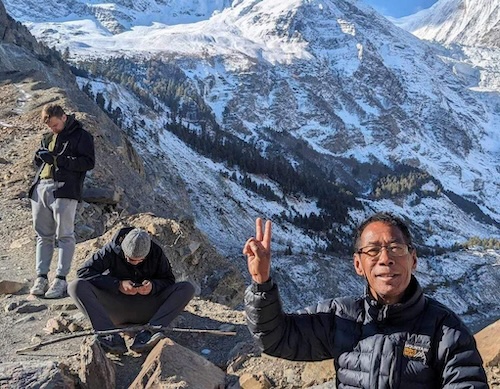
The 2-week Annapurna Circuit Trek is one of Nepal’s most iconic trekking routes, offering an unforgettable adventure through diverse landscapes, rich culture, and stunning mountain views. Starting in Besisahar, the trek winds through lush forests, terraced fields, and traditional villages like Chame, Pisang, and Manang. As you ascend, you’ll experience the region’s Tibetan-influenced culture, while the scenery transitions from subtropical terrain to alpine meadows.
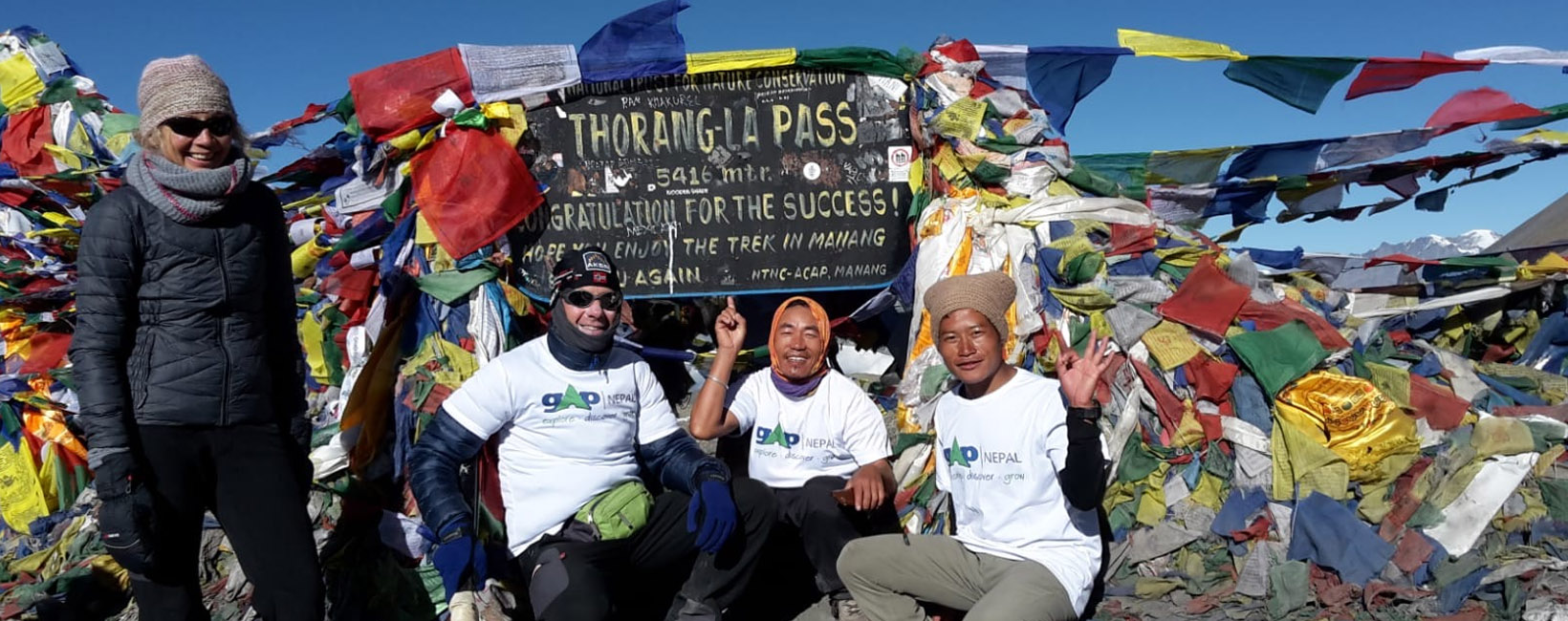
The highlight of the trek is the ascent to Thorong La Pass (5,416 m), one of the highest trekking passes in the world. The panoramic views of Annapurna, Dhaulagiri, and other peaks are breathtaking. After crossing the pass, you’ll descend to Muktinath, a sacred site for Hindus and Buddhists. The trek continues through Jomsom and Tatopani, where you can relax in natural hot springs after your hike.
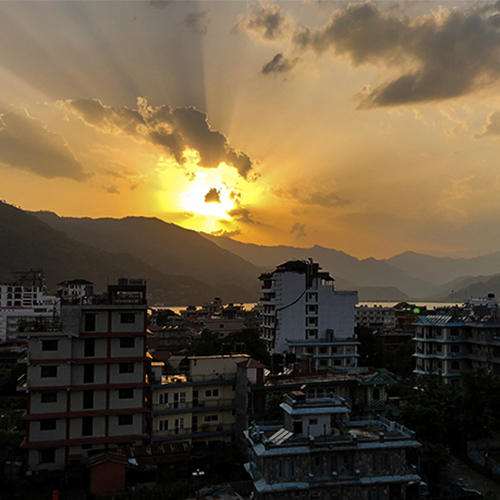
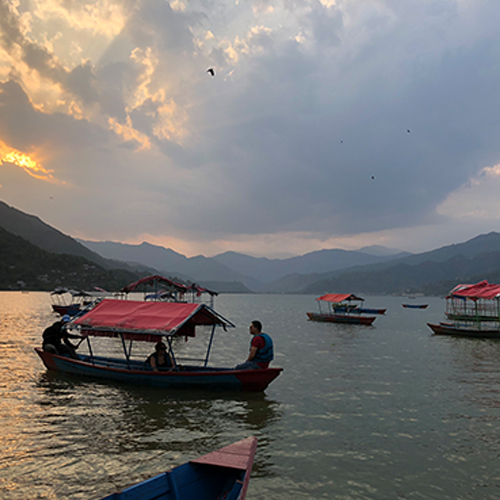
The trek concludes with a scenic drive back to Pokhara, where you can unwind and enjoy the views of Machapuchareand Phewa Lake.
The best times to trek the Annapurna Circuit are during the spring (March-May) and autumn (September-November) seasons, when the weather is clear and conditions are ideal. With moderate difficulty, this trek is perfect for those looking to explore the beauty of the Himalayas, experience Nepalese culture, and challenge themselves with the stunning Thorong La Pass.
Teaching Programs for Monks in Nepal: A Unique Opportunity
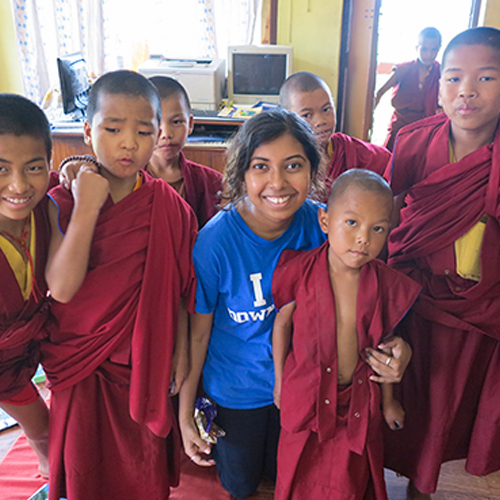
Volunteer teaching programs for monks in Nepal offer a heartwarming chance to make a real difference in the lives of young monks. By contributing to their education and personal growth, you also get to immerse yourself in Nepal’s rich cultural and spiritual traditions. These programs are hosted by monasteries and Buddhist institutions across Nepal, focusing on English language, life skills, and classroom support. Volunteers help monks enhance their academic skills, learn practical life skills, and contribute to the local community’s growth.
Key Areas:
Teaching English
Many young monks in Nepal are eager to improve their English skills, as it helps them understand Buddhist texts, connect with the world, and open future opportunities. Volunteers teach English grammar, reading, writing, and conversation. Using games, role-playing, and interactive exercises, you can make learning fun and engaging while building the monks' confidence.Life Skills and Practical Education
Volunteers also teach essential life skills like computer literacy, creative arts, health education, and sustainable farming. These skills empower monks to navigate modern life while staying true to their spiritual values. By sharing your knowledge, you help create a balanced and well-rounded educational experience for them.Classroom Support
Volunteers assist in the classroom by offering one-on-one support, helping with homework, and leading small group activities. Interactive activities like games and learning exercises create a dynamic and supportive environment that makes education enjoyable and effective.Support in the Kitchen and Daily Operations
Volunteers can also contribute by helping in the kitchen, assisting with meal preparation, or learning about traditional monastic food practices. Additionally, you may support administrative tasks, like organizing materials and maintaining daily schedules, which keeps the monastery running smoothly.
Program Details
PROGRAM AVAILABLE DATES
Every Sunday All Year Round
STARTING/ENDING POINT
Kathmandu, Nepal
LEARNING GOALS
Leadership, Playing with Kids, Immerse with local
LANGUAGE REQUIREMENT
English
CLIMATE
Moderate Temperate
GROUP SIZE
Minimum 2 to maximum 8
SPACES AVAILABLE
LIMITED SPACE, Join Group
HOURS EARNED
60-80 hours
What's Included

Our Assistant
- Proper Program Information
- Pre Departure Information
- Unlimited information
- Meet with Locals
- Weekend Trips
- Cultural Immersion
- Emergency Support

Upon Arrival – Included
- Airport pickup and transfer to the hotel.
- Accomodation
- All ground transfer with Tourist Bus & private vehicle
- Jungle Adventure Program.
- Experienced English speaking guide.
- Entrance ticket for trekking.
- Volunteering project for 2 weeks with most meals and placement

Excluded
- Any bar bills, cigarettes,client’s personal insurance and anykind of unforeseen expenses.
- Lunch and Dinner at Kathmandu and Pokhara
- Natural Calamities beyond our control and expenses incurred during rescue services.
- Comprehensive Travel/Medical Insurance that covers heli rescue
- International Flights and Nepal visa fees
- Airport transfer at the end of the programs
- Lunch at homestay while doing volunteering
Travel Experiences


FAQS
The Annapurna Circuit Trek is often described as a life-changing experience. As you embark on this journey, you'll find yourself walking through breathtaking landscapes, from subtropical forests to rugged alpine terrain, and eventually crossing the mighty Thorong La Pass at 5,416 meters (17,769 feet). The trek is not just about the physical challenge; it’s about connecting deeply with nature, feeling the pulse of the mountains, and getting to know yourself better with every step.
The circuit offers something for everyone – from the peaceful, isolated highlands to vibrant mountain villages. The Annapurna range in the distance will stir your soul, and the warmth of the local villages will touch your heart. It’s a trek that leaves you breathless, not only from the altitude but from the sheer beauty of the landscapes.
The Annapurna Circuit Trek typically takes around 14-16 days, depending on your pace and how much you want to immerse yourself in the experience. It’s a journey that will test your physical limits but also reward you with some of the most awe-inspiring landscapes on Earth. Every day brings new challenges, but also fresh rewards: vibrant green valleys, terraced fields, distant snow-capped peaks, and unforgettable sunrises.
The best time to trek is Autumn (September to November) when the skies are the clearest, and the temperatures are just right for trekking. Spring (March to May) is also a magical time, with rhododendrons in bloom, creating a sea of color against the backdrop of the snow-capped peaks. These seasons feel like the mountains themselves are welcoming you, with perfect trekking conditions and majestic views at every turn.
Yes, the Annapurna Circuit Trek is challenging, but it’s also deeply rewarding. You’ll face steep climbs, high-altitude passes, and the mental challenges of pushing yourself each day. But there’s a profound sense of accomplishment that comes with it, especially when you cross the Thorong La Pass at 5,416 meters. Standing there, surrounded by snow and ice, you’ll realize you’ve done something extraordinary.
It’s difficult, yes, but it’s also an opportunity for growth, both physically and mentally. Every step you take is a victory, and the challenges you face will leave you with memories that will last a lifetime.
Physical fitness is important, but don’t worry if you’re not a seasoned trekker. It’s about building endurance, both physically and mentally. A regular fitness routine (like hiking, walking, or cycling) will help you prepare for the trail. The real strength, though, will come from your inner resolve.
On this trek, you’ll learn that it’s not about racing to the finish; it’s about enjoying each moment, savoring the beautiful scenery, and listening to your body. Trekking at altitude means there will be moments of fatigue, but it’s these moments that will make you feel alive, knowing you’re pushing your boundaries and achieving something incredible.
The highest point on the Annapurna Circuit is Thorong La Pass at 5,416 meters (17,769 feet). The air is thin, and the altitude can take a toll on your body, but standing at the pass is an emotional experience—one that fills you with pride and wonder. It’s one of those rare moments in life when you feel small in the grand scheme of things, yet simultaneously part of something much greater than yourself.
While it’s technically possible to do the trek independently, having a guide or porter is highly recommended. A guide is not just a person who leads you along the trail—they become your companion, sharing stories of the mountains, culture, and people. The journey becomes richer with someone by your side who knows the trails and can ensure your safety, especially in case of altitude sickness or challenging weather conditions.
Plus, having a guide allows you to focus on the beauty of the moment instead of worrying about navigation or logistics. And a porter can carry your gear, making the trek physically easier so you can enjoy the experience with a lighter heart.
Packing for these treks is about balancing comfort and practicality. You’ll need good trekking boots and warm clothes, especially for the higher altitudes. However, packing light is essential, as you'll want to move freely. Consider packing with your heart—each item you bring should serve a purpose, whether it’s a warm jacket for the cold mornings or a journal to capture your thoughts during quiet moments.
Yes, travel insurance is essential. Accidents or illnesses can happen, and it's always better to be prepared. Insurance that covers emergency evacuation, medical costs, and high-altitude trekking is highly recommended for your peace of mind.
The Ghorepani Poon Hill Trek is often described as the perfect introduction to Nepal’s Himalayas. It’s a trek that offers some of the most stunning mountain views without the demanding physical effort of higher-altitude treks like the Annapurna Circuit. Poon Hill (3,210 m / 10,531 ft) provides a magical sunrise over the snow-capped peaks, especially Annapurna and Machapuchare (Fishtail).
It’s the kind of trek where every day feels like an adventure, whether you’re winding through vibrant rhododendron forests or enjoying a peaceful moment at one of the mountain teahouses. There’s something deeply peaceful about walking through villages that seem untouched by time, where the smiles of the locals remind you that the journey is as important as the destination.
The Ghorepani Poon Hill Trek is usually 5-7 days long. It’s a wonderful option if you’re looking for an accessible trek that doesn’t compromise on beauty. The trek is long enough to give you a genuine taste of the Himalayas without being too strenuous. Every morning, you’ll wake up to stunning mountain vistas, and every evening, you’ll retreat to cozy teahouses where you can relax and reflect on the day’s adventures.
The Ghorepani Poon Hill Trek is considered moderate and is ideal for trekkers of all levels. The highest point (Poon Hill) is at 3,210 meters—high enough to give you the feeling of being on top of the world, but low enough that altitude sickness is less of a concern.
The terrain can be demanding, with steep ascents and descents, but the trail is manageable for those in good health. The trek is not about pushing your limits—it’s about connecting with nature, breathing in the mountain air, and finding moments of peace amidst the rugged landscape.
Absolutely! The sunrise from Poon Hill is one of the most iconic experiences of the trek. Waking up early and walking in the dark to reach the viewpoint is an adventure in itself. As the sun rises over the Annapurna, Dhaulagiri, and Machapuchare (Fishtail) peaks, you’ll be filled with awe. The golden light on the snow-capped mountains will take your breath away, and in that moment, you’ll understand why trekking in the Himalayas feels so special.
The accommodation is typically in teahouses, which are simple but comfortable. You’ll find warmth, home-cooked meals, and a sense of camaraderie with fellow trekkers. The villages along the route are welcoming, and the people are kind. Even after a long day of trekking, you’ll feel at home in these small mountain lodges, where you can sit by the fire, share stories, and enjoy a cup of masala chai.
From Pokhara, you’ll drive to Nayapul, and from there, begin your trek. The drive is only 1-2 hours, but it’s the start of an unforgettable journey. As you walk, you’ll be surrounded by the sights and sounds of the mountains, the smells of the forests, and the smiles of the local people. The path to Ghorepani feels like a gentle invitation to slow down, take it all in, and appreciate the simple joys of life.
Altitude sickness is always a concern at any altitude above 2,500 meters, but the Ghorepani Poon Hill trek is relatively low risk. The highest point is Poon Hill at 3,210 meters—high enough to feel the effects of the altitude but not too high to cause major concerns. If you take things slowly and listen to your body, you’ll be just fine.
Reviews
Athena Loon
IranAlways row your boat gently down the stream; cause life is just a dream.
Jun 01, 2015

Related Programs


Associated With


Audited By

